4–20mA LoRa Wireless Sensor Network
An end-to-end LoRa-to-cloud industrial sensor network
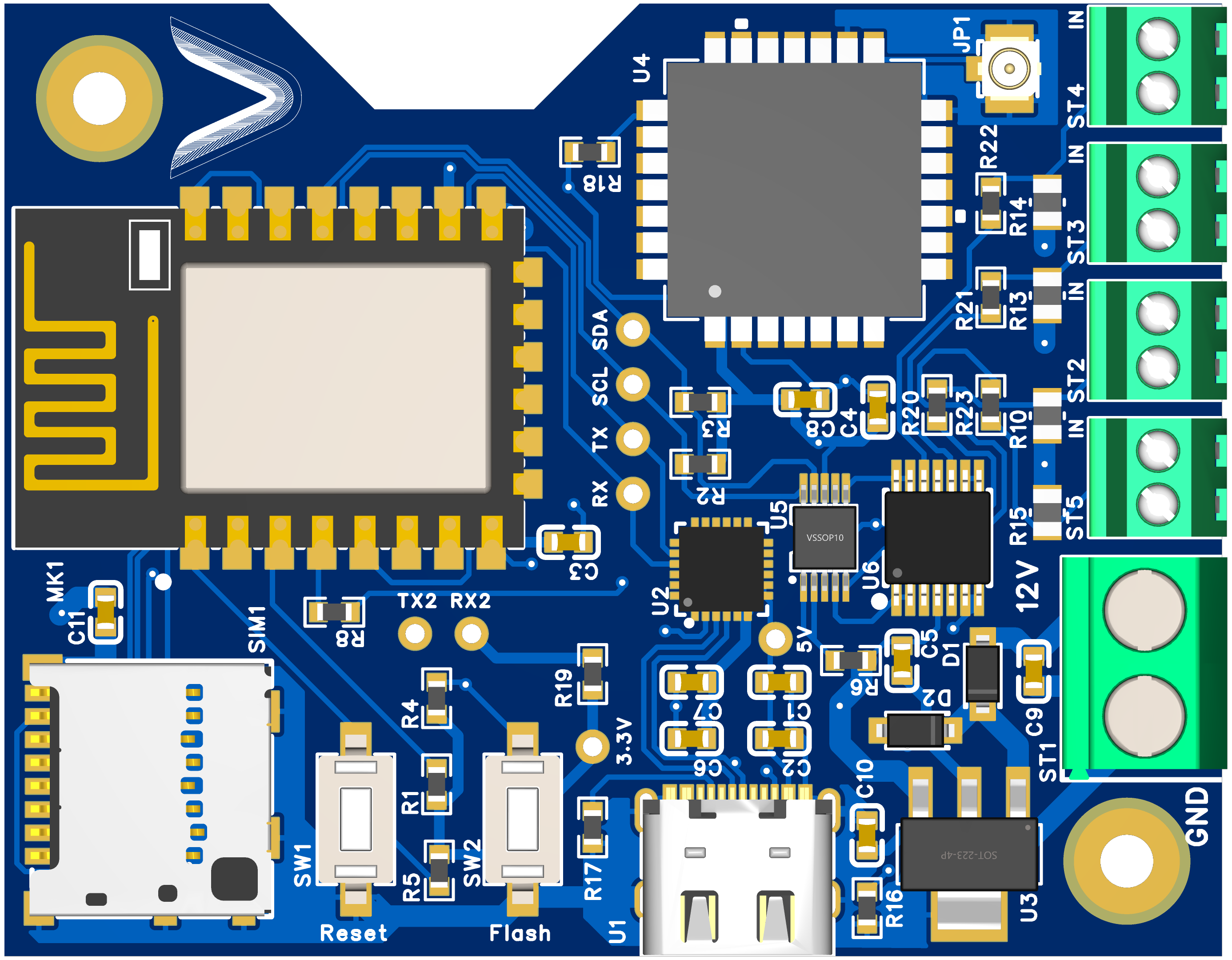
Designed a complete end-to-end IoT sensor network for a client - custom ESP8266 PCBs with Seeed Studio LoRa modules at the edge, and a full AWS MQTT backend for ingestion, logging, and remote monitoring. The system was delivered functioning.
Objective
The client needed to read industrial 4–20mA sensors out in the field and see that data remotely. That meant owning the whole stack: rugged edge hardware that could sense and transmit over long range, and the cloud infrastructure to receive, store, and surface the readings. The full system was built and delivered functioning; the client ran out of funding before full deployment.
My contribution
- Designed custom ESP8266-based PCBs with Seeed Studio LoRa modules for field-side 4–20mA sensing and wireless transmission.
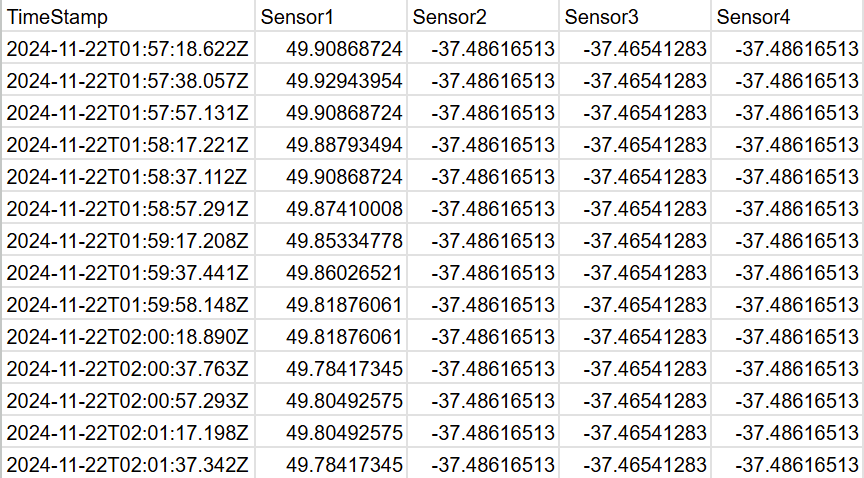
- Wrote all AWS MQTT backend infrastructure for cloud ingestion, data logging, and remote monitoring.
- Delivered a fully functioning end-to-end system, hardware through cloud.
Technical details
At the edge, custom ESP8266 PCBs read 4–20mA industrial sensors and transmit over LoRa using Seeed Studio modules - long range, low power, no field wiring back to base. On the cloud side, an AWS MQTT backend ingests the LoRa traffic, logs the data, and exposes it for remote monitoring.